
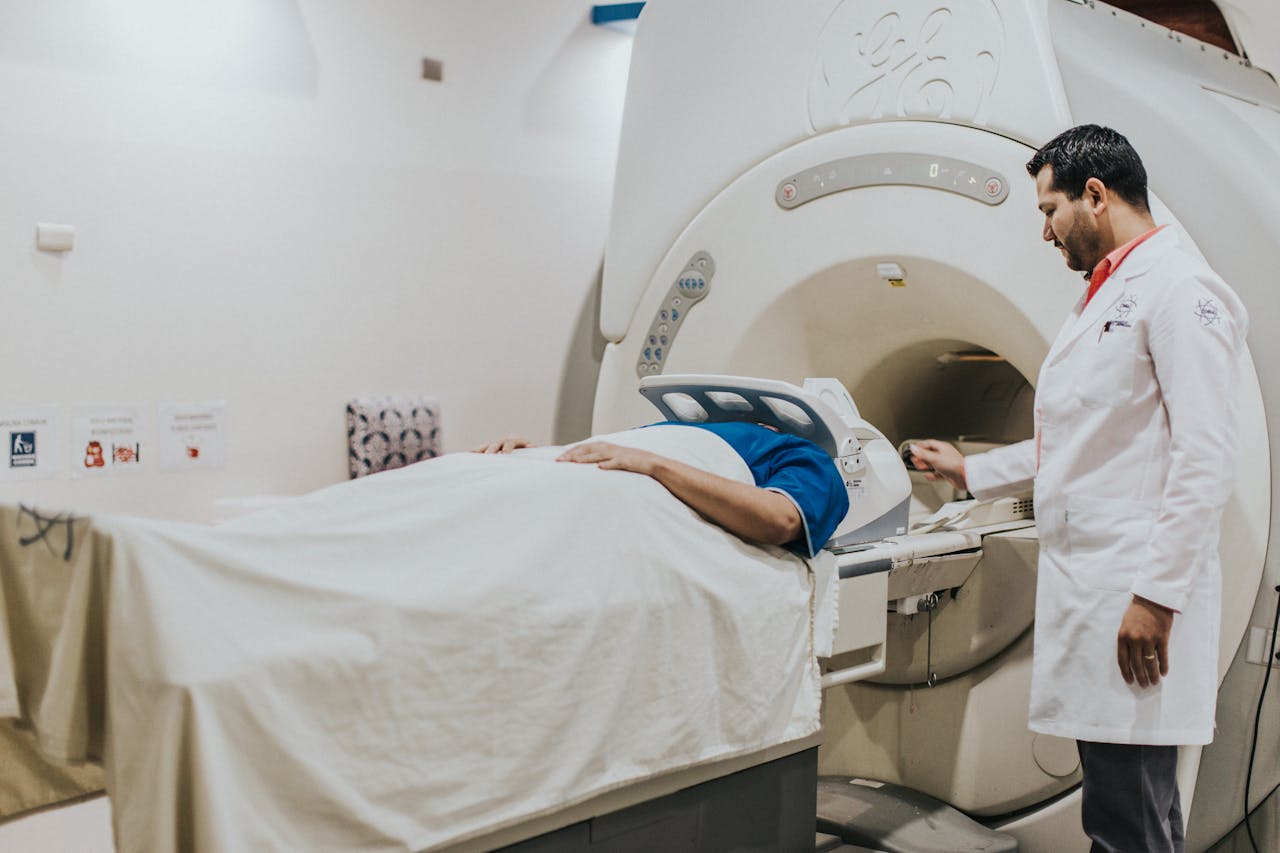
Enhancing Precision Medicine: How Spinal MRI Revolutionizes HealthcareEnhancing Precision Medicine: How Spinal MRI Revolutionizes Healthcare
Welcome to the future of healthcare, where precision medicine is transforming the way we diagnose and treat spinal conditions. Imagine a world where personalized treatment plans are tailored to your unique needs, disease progression is closely monitored with pinpoint accuracy, and minimally invasive procedures offer faster recovery times. In this blog post, we will explore how spinal MRI technology is revolutionizing healthcare by enhancing precision medicine in ways never thought possible before. Let’s dive in.
Accurate Diagnosis
Accurate diagnosis is the cornerstone of effective healthcare, especially when it comes to spinal conditions. With advanced spinal MRI technology, healthcare providers can obtain detailed images of the spine and surrounding tissues. Explore the specialized spine MRI services provided by Biomed Scan to understand the root causes of back pain. This is because there have been many cases where a patient’s spinal condition was misdiagnosed due to the use of outdated imaging techniques, leading to ineffective treatment plans and prolonged suffering.
Personalized Treatment Plans
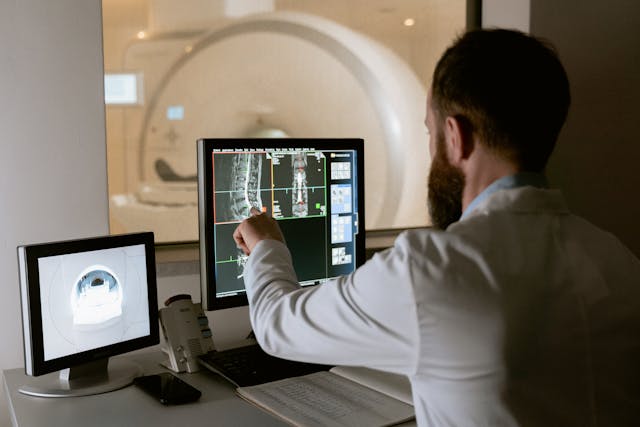
When it comes to healthcare, one size does not fit all. Personalized treatment plans are at the forefront of revolutionizing healthcare by tailoring medical interventions to each individual’s unique needs. By analyzing spinal MRI results, doctors can create customized treatment strategies that consider a patient’s specific condition, preferences, and lifestyle. These personalized plans take into account factors such as the severity of spinal issues, underlying causes of pain or discomfort, and any existing health conditions. This targeted approach helps optimize treatment outcomes and improve patient satisfaction. Through advanced imaging techniques like spinal MRI, healthcare providers can identify the most effective interventions for each patient. Whether it involves physical therapy, medication management, or surgical procedures – personalized treatment plans aim to deliver the best possible care while minimizing risks and side effects.
Monitoring Disease Progression
Monitoring disease progression is crucial in precision medicine. Spinal MRI plays a vital role in tracking how a condition evolves, providing valuable insights for healthcare providers. By regularly conducting spinal MRIs, doctors can observe any changes in the spine’s structure or tissues, allowing them to adjust treatment plans accordingly. This proactive approach helps ensure that patients receive the most effective care tailored to their specific needs. Additionally, spinal MRI enables healthcare professionals to detect early signs of disease advancement before symptoms become severe. This early detection can lead to timely interventions and better outcomes for patients undergoing precision medicine treatments.
Minimally Invasive Procedures
 Imagine undergoing a medical procedure with minimal discomfort and a quick recovery time. Minimally invasive procedures, such as spinal MRI-guided treatments, offer patients precisely that – a revolutionary approach to healthcare. These innovative techniques utilize advanced imaging technology to target specific areas with pinpoint accuracy, reducing the risk of complications and promoting faster healing.
Patients can experience reduced pain, smaller incisions, and shorter hospital stays compared to traditional surgeries. By harnessing the power of spinal MRI technology, healthcare providers can perform intricate procedures with unparalleled precision. This not only enhances patient outcomes but also contributes to overall healthcare efficiency.
Incorporating spinal MRI into clinical practice has paved the way for a more targeted and individualized approach to patient management. With its ability to offer detailed insights into spinal conditions, this cutting-edge technology is undoubtedly shaping the future of medicine. The impact of spinal MRI on enhancing precision medicine cannot be overstated. It …

 One of the best ways to determine if a treatment center is reputable is to look for accreditation, licensing and certifications. Accredited centers have met rigorous standards set by independent organizations, while state or provincial governments oversee licensed centers. Certified centers have been assessed and approved by an external organization.
 When you walk into a Pilates class, the first thing that other people will notice is what you are wearing. So it’s essential to choose clothes that make you feel comfortable and look good. Wear fitted T-shirts or tank tops with loose-fitting pants or shorts for men. Avoid baggy clothing, as this can get in the way of your exercises. For women, it’s a good idea to wear fitted clothing that shows off your curves. Leggings and stretch pants are ideal for Pilates class, but avoid skirts or dresses if you’re worried about them flying up during your workout.
 Stretching out after your Pilates practice is a must. Not only does it help improve your flexibility, but it also helps prevent soreness and pain the next day. Spend about five to ten minutes stretching out your major muscle groups after each class. You’ll feel better about it. Aside from that, stretching also helps improve your posture and keeps your muscles long and lean.
 Since you need to be comfortable during surgery, if you prefer a doctor of similar gender, you can voice your preference. Today surgeons are increasingly aware of anatomical sex differences when treating patients that need orthopedic care. Gender-specific programs are available to improve care.
 You need to consider the quality of care at an adulatory surgery center or hospital where the surgeon treats patients. The quality of a hospital is critical since top-rated facilities record better survival rates and fewer complications.