

Types of Braces: Comparing Traditional Metal, Ceramic, Lingual, and InvisalignTypes of Braces: Comparing Traditional Metal, Ceramic, Lingual, and Invisalign
Choosing the right type of braces can be a daunting task, especially with so many options available. Each type has its unique benefits and considerations, making it important to understand the differences to make an informed decision. You can search for “affordable braces near me” to find local orthodontists who offer a range of treatments. Additionally, scheduling a consultation with an orthodontist can help you determine which option best suits your dental needs, lifestyle, and budget. In this article, we’ll explore four common types of braces: traditional metal braces, ceramic braces, lingual braces, and Invisalign.
Traditional Metal Braces
Traditional metal braces are the most widely acknowledged and commonly used. They feature metal brackets and wires that are secured to the front of the teeth. Having been in use for decades, they have a well-established track record of effectiveness.
Pros
- Effective for All Cases: Metal braces can correct a wide range of dental issues, from minor alignment problems to more complex cases.
- Durable: Made of high-quality stainless steel, they are strong and less likely to break.
- Cost-Effective: Generally, metal braces are the most affordable option.
Cons
- Visible: Metal braces are quite noticeable, which can be a concern for those who are self-conscious about their appearance.
- Discomfort: The metal brackets and wires can irritate the inside of the mouth, especially when first applied or after adjustments.

Ceramic Braces
Ceramic braces operate like metal braces but utilize clear or tooth-colored brackets that blend with the teeth, making them a more aesthetically pleasing option.
Pros
- Less Noticeable: The ceramic material blends with the teeth, making them less conspicuous than metal braces.
- Effective: They can correct the same dental issues as metal braces.
Cons
- More Fragile: Ceramic brackets are more brittle than metal ones and can break more easily.
- Cost: Ceramic braces are typically more expensive than metal braces.
- Potential for Staining: The clear or tooth-colored brackets can stain if not cared for properly, especially with certain foods and drinks.
Lingual Braces
Lingual braces function like traditional metal braces, but their brackets and wires are affixed to the back of the teeth, rendering them invisible from the front.
Pros
- Invisible: They are hidden behind the teeth, so they are not visible when you smile.
- Effective: They can address a wide range of orthodontic issues.
Cons
- Discomfort: Lingual braces can be more uncomfortable initially because they are close to the tongue.
- Complexity: They require a skilled orthodontist for installation and adjustments.
- Cost: Lingual braces are generally more expensive due to the customization and expertise required.
Invisalign
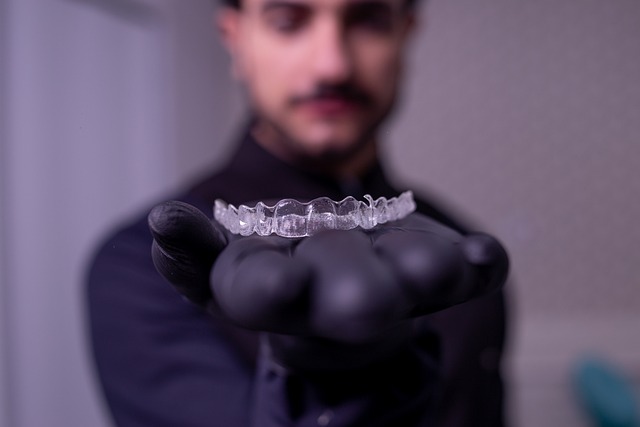
Invisalign employs a series of clear, removable aligners to progressively straighten teeth. Each aligner is custom-crafted to fit securely over the teeth and is changed every one to two weeks.
Pros
- Aesthetic: The clear aligners are virtually invisible, making them an excellent choice for those concerned about appearance.
- Removable: Aligners can be taken out for eating, drinking, brushing, and flossing, making oral hygiene easier to maintain.
- Comfortable: Made of smooth plastic, they are less likely to irritate metal braces.
Cons
- Discipline Required: For Invisalign to be effective, aligners must be worn for 20-22 hours a day, which requires a high level of commitment.
- Not Suitable for All Cases: Invisalign may not be the best option for more complex orthodontic issues.
- Cost: Invisalign tends to be more expensive than traditional braces.
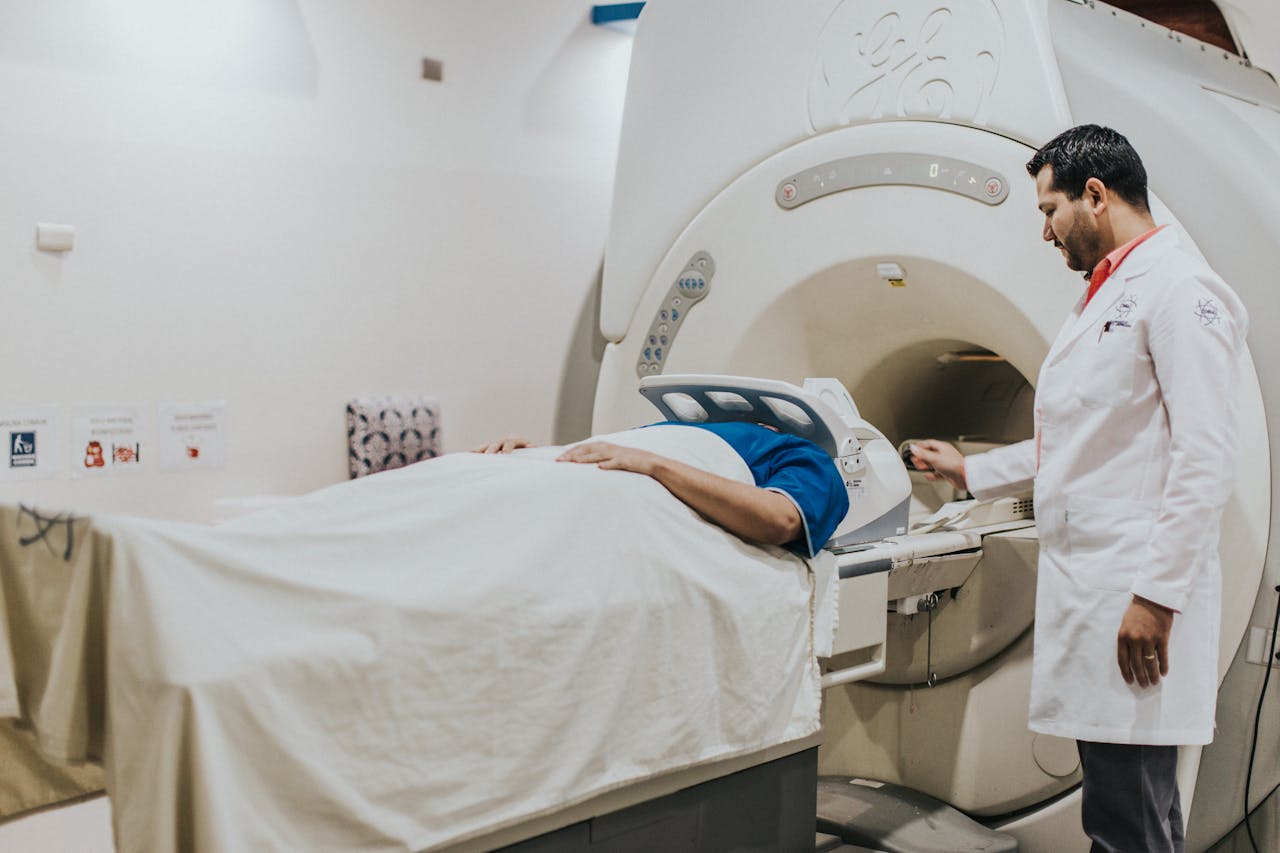
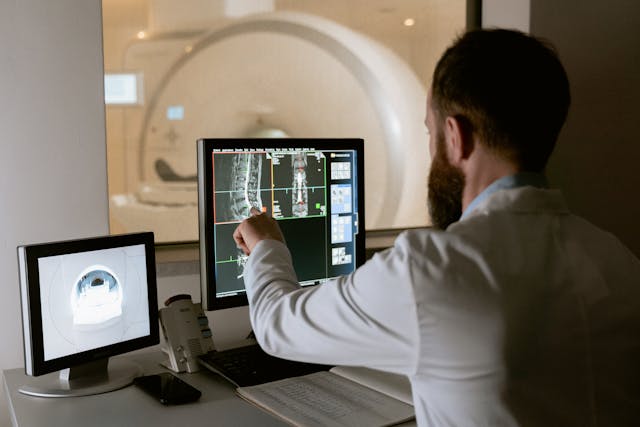
 Imagine undergoing a medical procedure with minimal discomfort and a quick recovery time. Minimally invasive procedures, such as spinal MRI-guided treatments, offer patients precisely that – a revolutionary approach to healthcare. These innovative techniques utilize advanced imaging technology to target specific areas with pinpoint accuracy, reducing the risk of complications and promoting faster healing.
 We all know that our bodies work best when we’re getting the proper nutrients. But sometimes, getting all the vitamins and minerals, we need from our diet alone is hard. This is where supplements come in. They can provide us with the extra nutrients we need to maintain our health. Remember that they’re also super convenient. Imagine chewing on 20 different pieces of fruit and vegetables every day.
 Being too fat or skinny can put a strain on our bodies and lead to health problems. That’s why it’s crucial to maintain a healthy weight. And guess what? Supplements can help with that, too. For example, some supplements contain fiber. Fiber helps us feel full after eating, so we’re less likely to overeat. Some supplements contain green tea extract. Green tea has been shown to boost metabolism and help with weight loss.
 One of the best ways to determine if a treatment center is reputable is to look for accreditation, licensing and certifications. Accredited centers have met rigorous standards set by independent organizations, while state or provincial governments oversee licensed centers. Certified centers have been assessed and approved by an external organization.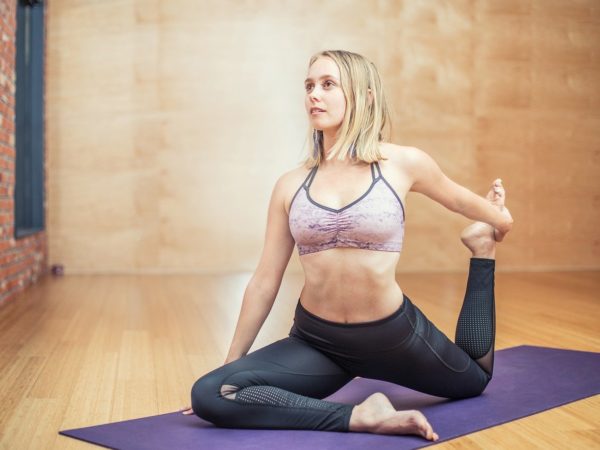
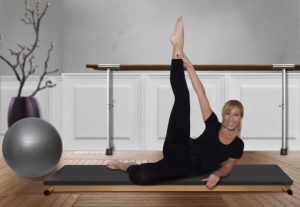 When you walk into a Pilates class, the first thing that other people will notice is what you are wearing. So it’s essential to choose clothes that make you feel comfortable and look good. Wear fitted T-shirts or tank tops with loose-fitting pants or shorts for men. Avoid baggy clothing, as this can get in the way of your exercises. For women, it’s a good idea to wear fitted clothing that shows off your curves. Leggings and stretch pants are ideal for Pilates class, but avoid skirts or dresses if you’re worried about them flying up during your workout.
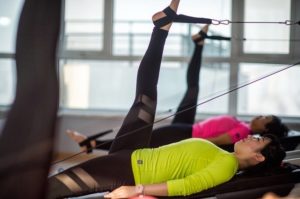 Stretching out after your Pilates practice is a must. Not only does it help improve your flexibility, but it also helps prevent soreness and pain the next day. Spend about five to ten minutes stretching out your major muscle groups after each class. You’ll feel better about it. Aside from that, stretching also helps improve your posture and keeps your muscles long and lean.