

How Probiotics Influence Weight and Digestive HealthHow Probiotics Influence Weight and Digestive Health
Probiotics have become a popular topic in health and wellness discussions. These beneficial microorganisms live in the gut and support many bodily functions. Digestive health and weight management are two areas where probiotics receive the most attention. Burn Slim is known to focus on gut balance and metabolism support. Research continues to show how gut balance affects metabolism, appetite, and overall well-being. While probiotics are not a miracle solution, they play a meaningful role when combined with healthy habits. This article explains how probiotics influence weight and digestive health in a clear and practical way.
Understanding Probiotics and Gut Health

Probiotics are live bacteria and yeasts that support the digestive system. They help maintain balance in the gut microbiome. This microbiome contains trillions of microorganisms that affect digestion, immunity, and nutrient absorption. When good bacteria dominate, digestion runs smoothly. When harmful bacteria take over, problems begin. Probiotics help restore balance by increasing beneficial strains. This balance is essential for efficient digestion and long-term health.
The Gut Microbiome and Digestion
Digestion depends heavily on gut bacteria. These microorganisms break down food components that the body cannot process alone. They assist in fiber fermentation and vitamin production. A balanced gut reduces bloating, gas, and irregular bowel movements. Probiotics support this process by strengthening the gut lining. They also help reduce inflammation in the digestive tract. Better digestion often leads to improved comfort and nutrient absorption.
Probiotics and Metabolic Function
Metabolism is influenced by gut health more than many people realize. Certain probiotic strains affect how the body stores fat and uses energy. They help regulate blood sugar levels and insulin sensitivity. Improved metabolic function supports stable energy levels throughout the day. When metabolism works efficiently, weight management becomes more manageable. Probiotics contribute by supporting healthier metabolic signaling in the gut.
Appetite Regulation and Weight Control
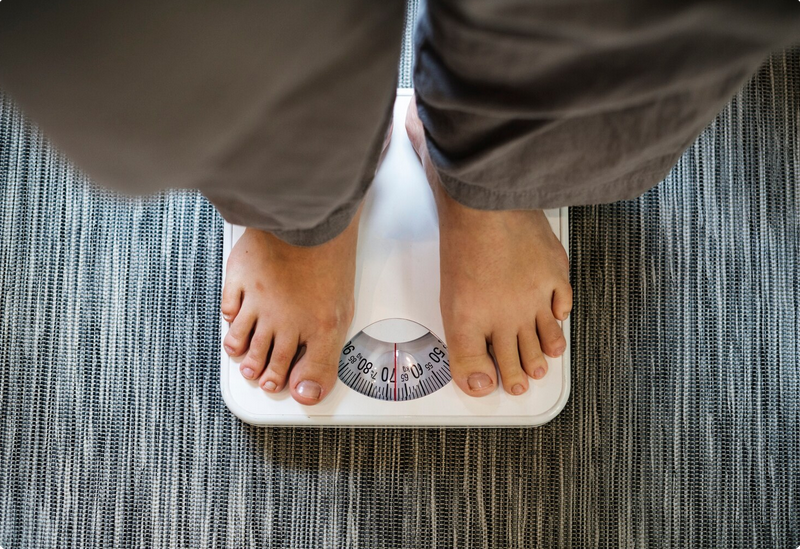
Gut bacteria play a role in hunger and fullness signals. Probiotics influence hormones such as ghrelin and leptin. These hormones control appetite and satiety. Balanced gut bacteria help the body recognize when it is full. This reduces overeating and frequent snacking. Over time, this supports healthier eating patterns. The effect may feel subtle, but consistency makes a difference.
Inflammation and Fat Storage
Chronic inflammation can interfere with weight loss. It also disrupts digestive function. Some probiotic strains help reduce low-grade inflammation in the body. Lower inflammation improves insulin sensitivity and reduces fat storage. A calmer digestive system also absorbs nutrients more effectively. This creates a healthier internal environment that supports balanced weight management.
Digestive Comfort and Nutrient Absorption
Digestive discomfort often affects food choices and eating habits. Bloating or pain can lead to skipped meals or poor food decisions. Probiotics help improve gut motility and stool regularity. They also support enzyme activity needed for nutrient breakdown. Better absorption means the body receives what it needs from food. This helps maintain energy levels and reduces cravings caused by nutrient gaps.
Choosing the Right Probiotic Strains

Not all probiotics work the same way. Different strains provide different benefits. Some focus on digestion, while others support metabolic health. Reading labels and understanding strain types is important. A quality supplement should list specific strains and colony counts. Fermented foods also offer natural probiotic sources. Choosing the right option helps ensure desired health benefits without unnecessary additives.